

SPLICE Ensemble
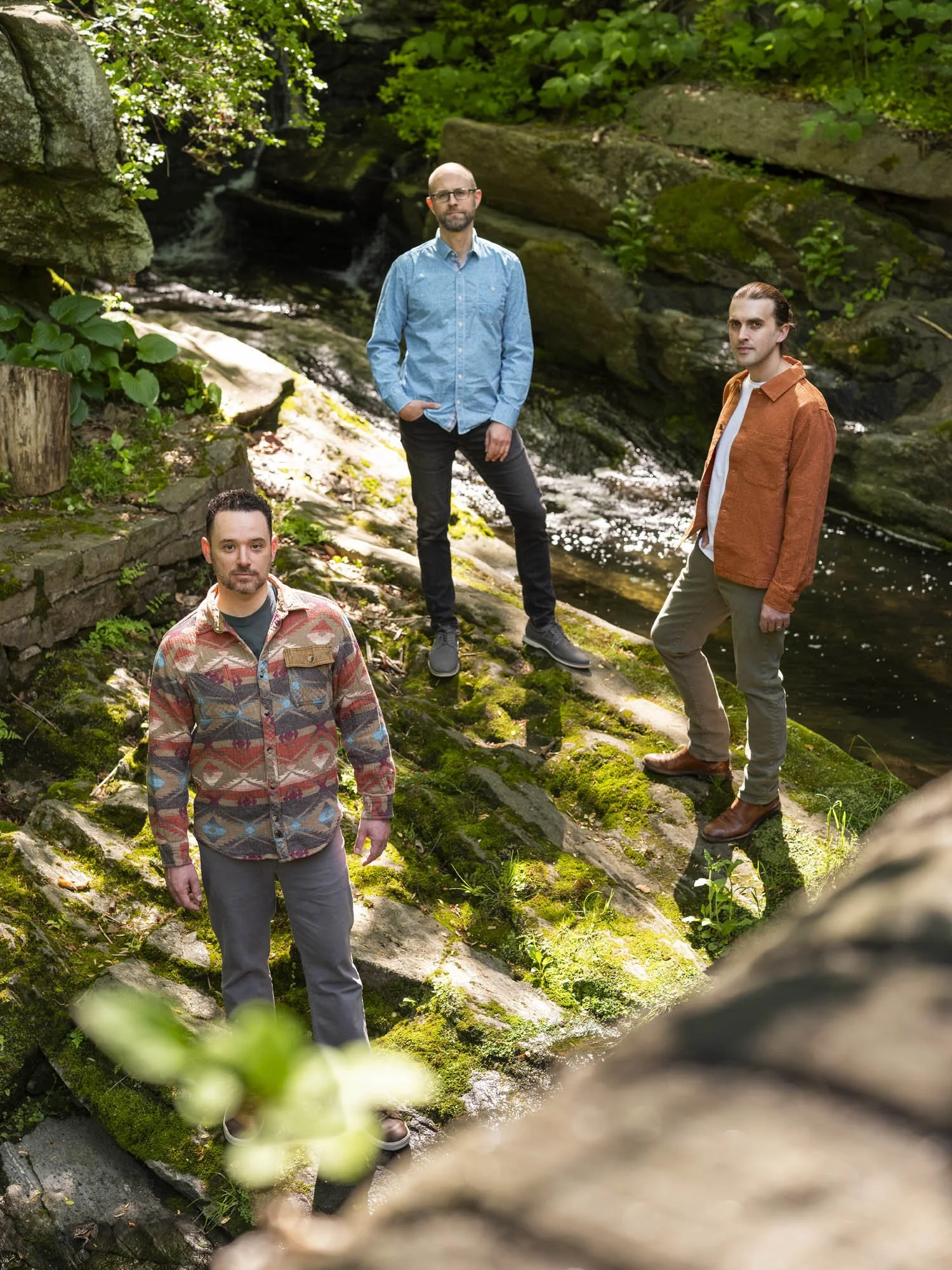
credit: Ryan Collerd
SPLICE Ensemble is dedicated to cultivating a canon of electroacoustic chamber music for trumpet, piano, and percussion, bringing together acoustic virtuosity, live electronics, and experimental sound. Called a “sonic foodfight” by Jazz Weekly, SPLICE Ensemble combines instrumental virtuosity and electronic media in performances that expand the possibilities of contemporary chamber music. The ensemble consists of Sam Wells (trumpet), Keith Kirchoff (piano), and Adam Vidiksis (percussion, drum set). All three members are experienced electronic musicians and acoustic performers who collaborate closely with composers to create and perform works that integrate electronics with acoustic instruments. Approaching its tenth season, the ensemble has premiered more than 120 works by over 100 composers, playing a central role in developing the repertoire for instruments and electronics through close collaboration with artists and technologists. The ensemble also maintains a deep commitment to education through its work with students and emerging composers at the SPLICE Institute and Festival. SPLICE Ensemble has worked with composers including Elainie Lillios, Christopher Biggs, Brian Belet, Caroline Louise Miller, Alex Christie, Per Bloland, Flannery Cunningham, Robert Seaback, Joo Won Park, Steve Ricks, and Scott L. Miller, among many others. The ensemble is the resident ensemble of both the SPLICE Institute and SPLICE Festival and has been featured at venues and conferences including M Woods in Beijing, SEAMUS, the Electroacoustic Barn Dance, the SCI National Conference, Electronic Music Midwest, and New Music Detroit’s Strange Beautiful Music festival. Their recordings appear on the SEAMUS and PARMA labels, and their album Ansible will be released on New Focus Recordings in summer 2026.
The mission of SPLICE Ensemble is to:
present dynamic and virtuosic performances that exemplify and expand the field of electroacoustic performance;
bring educational opportunities to musicians and students with a focus on developing forward-looking music practices that embrace electroacoustic performance; and
commission and collaborate with composers and musicians with the aim of meaningfully developing the repertoire of electroacoustic music.